
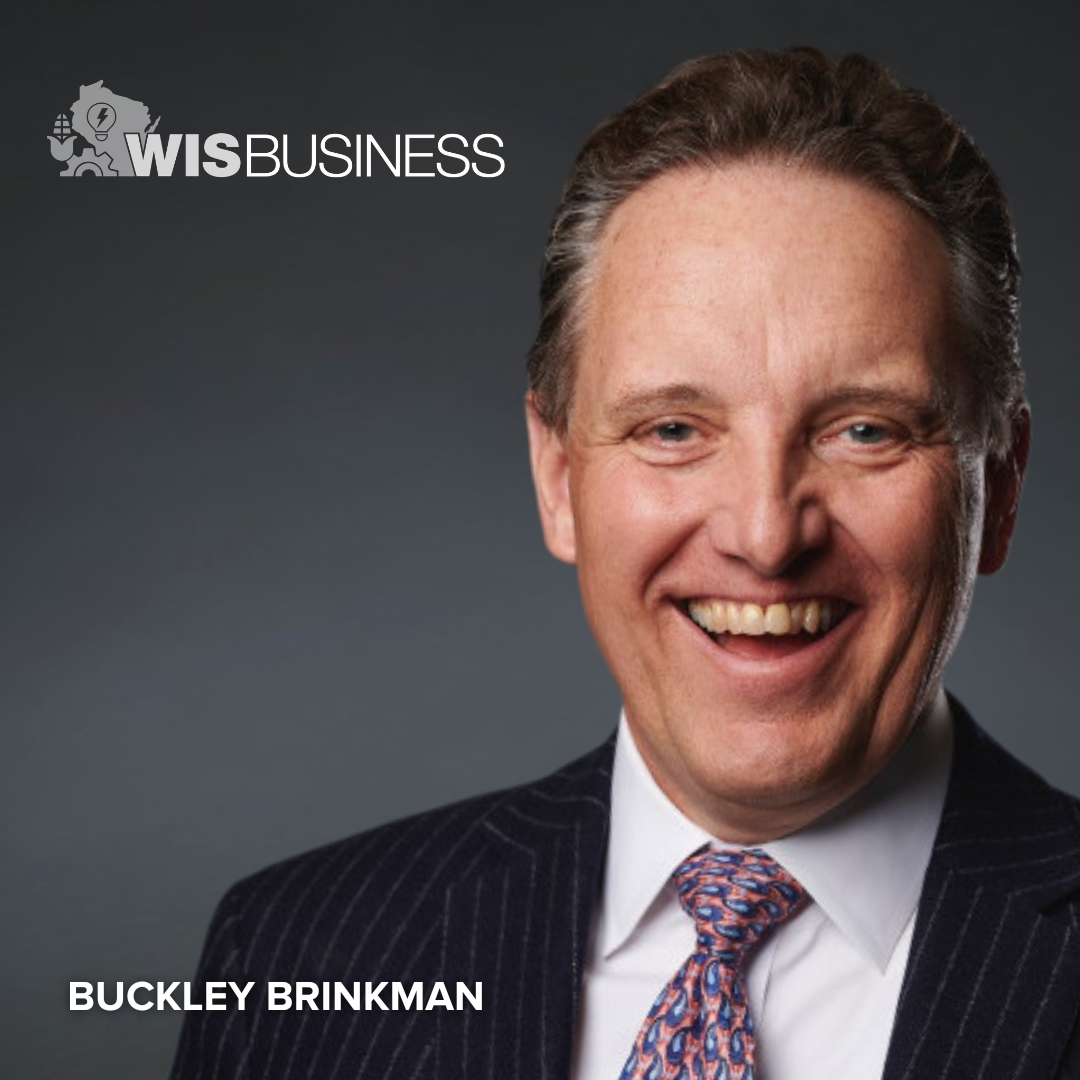
— Opinion column by manufacturing expert Buckley Brinkman
Wisconsin’s strong economic bases in manufacturing, agriculture, and financial services offer fertile ground for effective AI implementation. We can lead the country in this expertise by taking a Wisconsinble approach—acting practically, collaboratively, and quickly. A new National Science Foundation initiative – Tech Access: AI Ready America – now opens a pathway to make that happen here at home and to shape national AI strategy along the way.
Two weeks ago, I wrote a column laying out a Wisconsinble approach to implementing AI in our economy. It outlines a new way to build local initiatives that deepen regional specialties and connect those specialties through cross-regional collaboration. A central hub ties it all together, strengthening communication among the regional nodes.
As if on cue, Washington just released a program to drive that process in every state—starting with 10 pilots and expanding from there. In fact, they opted for the “Wisconsinbly Plus” version, layering specific workforce and sector initiatives onto the regional specialties. The program calls for a State AI Collaboration Hub to connect intrastate activities and link to a national hub that a future phase will establish.
Building the Wisconsin hub demands a new approach—one that fosters the communication, collaboration, and initiative required for practical, effective AI implementation. That approach breaks from our two usual responses: centralizing everything in a hub-and-spoke or center-of-excellence structure, or going laissez-faire and letting each region or sector fend for itself.
Neither response works for AI. The centralized method moves far too slowly. The regional approach never reaches the scale required for real impact.
So will we seize this opportunity and build a true Wisconsin AI network? To do it, we must do two things differently. First, we must support and nurture strong AI nodes around the state. These nodes become the focal points for developing regional AI specializations, connections, and strategies that address specific community needs. Second, we must stand up a Wisconsin AI Hub that links the local nodes, taps national resources to accelerate adoption, and serves as a repository for ideas and tools that strengthen the entire network.
We also need a healthy dose of honesty. We all love Wisconsin, and that love can blind us to our shortcomings. I like to tell my out-of-state compadres that we know all great ideas don’t come from Wisconsin – just most of them. When it comes to AI, though, we need a clear-eyed understanding of what world-class looks like and where we currently stand.
Then we must realistically assess the size and relevance of that gap – and translate the assessment into practical actions we can take together to close it.
This federal initiative can catalyze the Wisconsinble actions that will position us as the nation’s AI implementation leader. Our economy spans the exact sectors AI stands to transform. We can mobilize statewide organizations to drive change. And we know how to focus on practical solutions to real problems.
We need to seize this moment and this opportunity. That will take a different kind of collaboration, new structures that accelerate change, and learning, and a focused effort to pull it all together. If you lead a regional chamber, a trade group, or a university program, reach out — the nodes start with you!
Now that would be working Wisconsinbly!